Peer Review Capacity: Volume, Speed, and Quality
14-18 September 2026
Peer Review Week (PRW) 2026 will take place from 14–18 September 2026, bringing together the global scholarly community around this year’s theme: “Peer Review Capacity: Volume, Speed, and Quality.”
At its core, this theme reflects a growing challenge across the research ecosystem. As submission volumes continue to rise and expectations for faster decision-making increase, peer review systems are under mounting pressure to keep pace. Together, volume, speed, and quality define a balance that the system is increasingly being asked to maintain.
This year’s theme focuses on how the community can respond to that demand while preserving the quality, trust, and integrity – the pillars sustaining peer review.
How the Conversation Began
Each year, the Peer Review Week theme is shaped through a collaborative process led by the Steering Committee. For PRW 2026, this began with an internal poll amongst committee members, where over 30 potential themes were proposed. These ideas were then carefully reviewed and consolidated into four key themes to be shared with the wider community.
For the first time, these shortlisted themes were presented through a live global poll hosted on the Peer Review Week website, open from 9 March to 15 April 2026. This approach allowed the community to move beyond discussion and actively participate in defining the focus for the year. The live format enabled broader geographic participation and real-time engagement across the community, and outreach for the poll was further strengthened through the support of PRW supporting organizations and partners, who helped share the initiative across their networks and extend its reach to a wider global audience.
The Steering Committee’s role in shaping, refining, and advancing these discussions remains central to ensuring that the selected theme reflects both emerging challenges and strategic priorities across the scholarly publishing ecosystem.
What the Community Told Us
Building on this broad participation, the results of the poll offer a clear and compelling view of the community’s current priorities. A total of 2,115 votes were recorded, marking this the year with highest level of participation in PRW history. Peer Review Capacity: Volume, Speed, and Quality emerged as the leading theme, receiving 40% of the total votes, while the remaining themes followed at a noticeable distance (Figure 1).
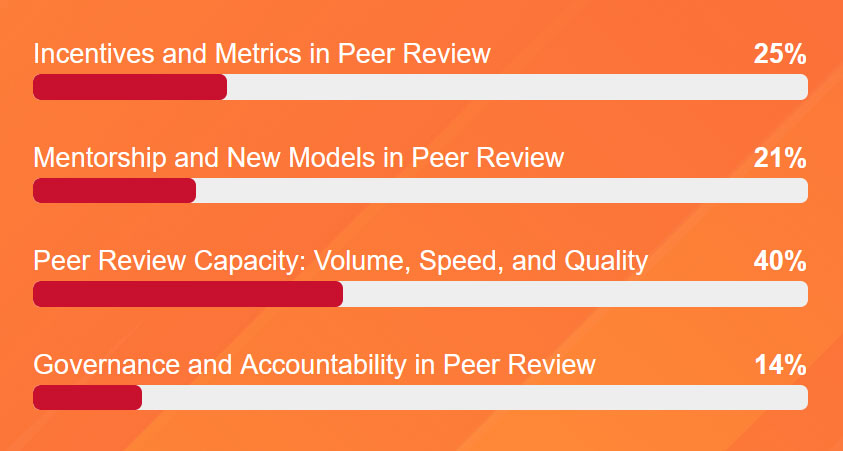
Figure 1: Final results of the PRW 2026 theme poll
This result points to a shared concern across the community: peer review systems are being stretched, and capacity has become a central issue. The margin between the leading theme and others reflects a clear and consistent signal, rather than a divided preference.
A Global Response
The respondent profile further illustrates the breadth of participation across the peer review ecosystem (Figure 2). Researchers formed the largest group, followed by reviewers and editors, alongside contributions from publishers, librarians, and other stakeholders.
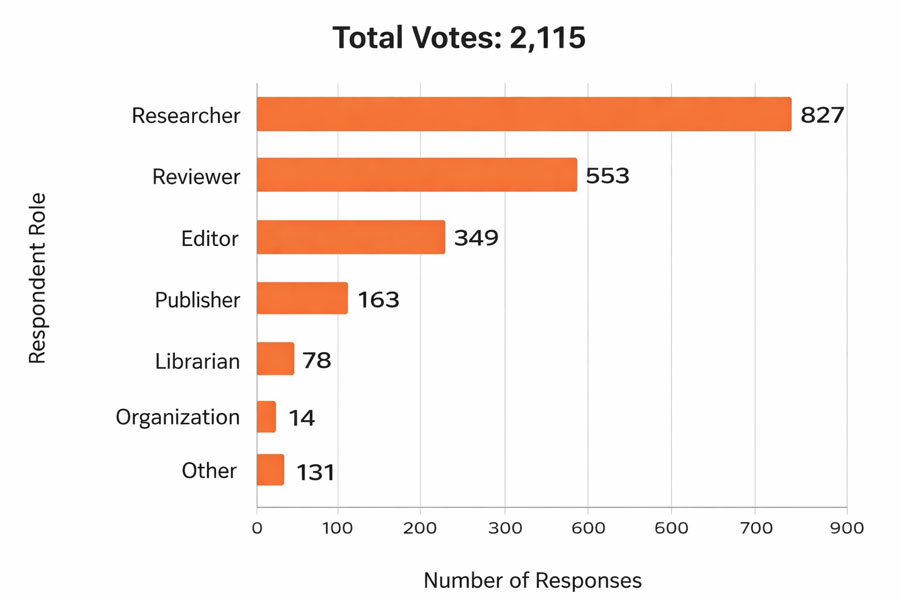
Figure 2: Distribution of PRW 2026 theme poll responses by stakeholder role
Geographically, responses came from across the world, with particularly strong participation from Asia and Africa, alongside contributions from Europe and the Americas (Figure 3).
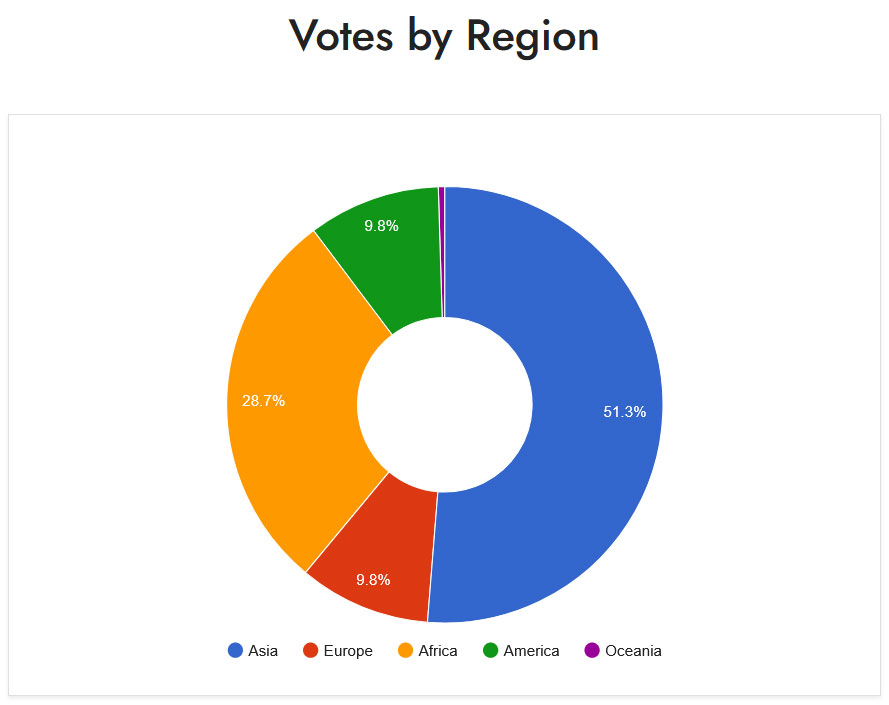
Figure 3: Distribution of PRW 2026 theme poll responses by geographic region
This global engagement highlights that while challenges may differ in context, the pressure on peer review is widely shared. This distribution reflects both the scale of engagement and the diversity of perspectives shaping the conversation.
What This Year’s Theme Focuses On
Peer review remains central to the integrity of scholarly communication. Yet the system supporting it is under increasing pressure. These pressures are not new, but they are now intersecting in ways that make capacity a defining issue for the future of peer review.
- Submission volumes are rising
- Expectations around speed are increasing
- Reviewer availability remains limited
The 2026 theme brings these realities into focus and centers on a key question: How can peer review systems scale while maintaining quality, trust, and fairness?
Looking Ahead
Throughout PRW 2026, the global community will explore:
- Managing growth without compromising quality
- Balancing speed with rigorous evaluation
- Supporting and recognizing reviewers
- The role of technology in scaling peer review
- Differences across regions, disciplines, and publishing models
This year’s discussions aim to move beyond identifying challenges and toward shared understanding and practical approaches. These discussions aim to move the conversation from awareness toward practical, community-driven responses.
Get Involved in PRW 2026!
Throughout PRW 2026, the global commPeer Review Week is a community-led initiative, and its strength comes from the contributions of individuals and organizations across the world. Whether you are new to Peer Review Week or have participated before, there are many ways to get involved.
Explore upcoming activities, submit your own event, or contribute to this year’s theme by visiting: www.peerreviewweek.net
You can also take part by: unity will explore:
- Hosting a webinar, panel, or discussion
- Sharing insights through blogs, articles, or case studies
- Engaging your community through training or collaborative activities
- Joining the global conversation on social media using #PeerReviewWeek and #PRW2026
For questions or collaboration opportunities, feel free to contact us at [email protected].